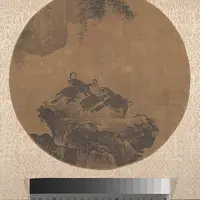

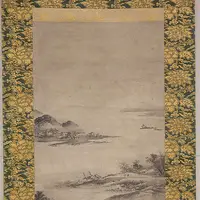

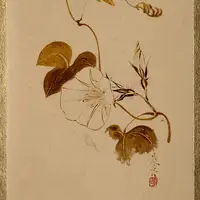











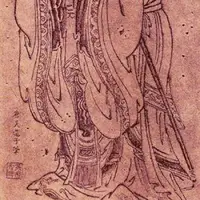

The Immortal Li Tieguai is a remarkable painting by the artist Su Renshan, who lived from 1814 to 1849. This artwork depicts an elderly man named Li Tieguai, who holds a large pot that symbolizes important ideas in Chinese culture, like wisdom and immortality. This connection to immortality is especially significant as many Chinese legends celebrate figures who possess great age and wisdom. Li Tieguai’s expression is calm and wise, showing a deep understanding of life and its complexities. The artist has used soft, light colors throughout the painting, which together create a peaceful atmosphere for the viewer. This choice in colors might remind people of tranquility, much desired in both art and life. Additionally, there is a smooth line around Li Tieguai, enhancing his presence within the artwork. The background is simple and light, which allows the viewer to focus entirely on him. If viewers look closely, they might even notice how this simplicity directs their thoughts to deeper reflections on life and one's own journey. Through this painting, Su Renshan encourages viewers to contemplate life’s deeper meanings and connections. This work is an important piece of Qing dynasty art, as it beautifully captures significant themes of wisdom, tranquillity, and the search for immortality in Chinese culture. Su Renshan has created something lasting that continues to inspire audiences today.
B1 · Intermediate · 220 words · ~1 min
Su Renshan · · Hanging scroll; ink on paper · The Met
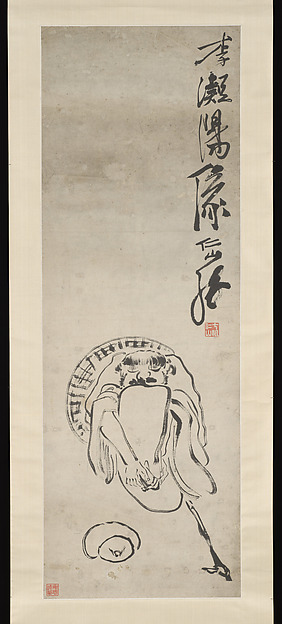
The Immortal Li Tieguai
Word notebook · B1
Tap a highlighted word in the text, or study the list below.
- symbolize
- to represent something or stand for something; to show a deeper meaning.
- tranquility
- the quality of being calm and peaceful.
- complexities
- the state of being complicated or having many parts.
- legend
- a traditional story sometimes regarded as historical but unverifiable.
- audience
- a group of people who watch or listen to a performance or presentation.
Comprehension check · B1
Finished reading? See how much stuck.
1.What does the pot in the painting symbolize?
2.Where is the painting currently located?
3.What themes does Su Renshan's painting capture?