
















































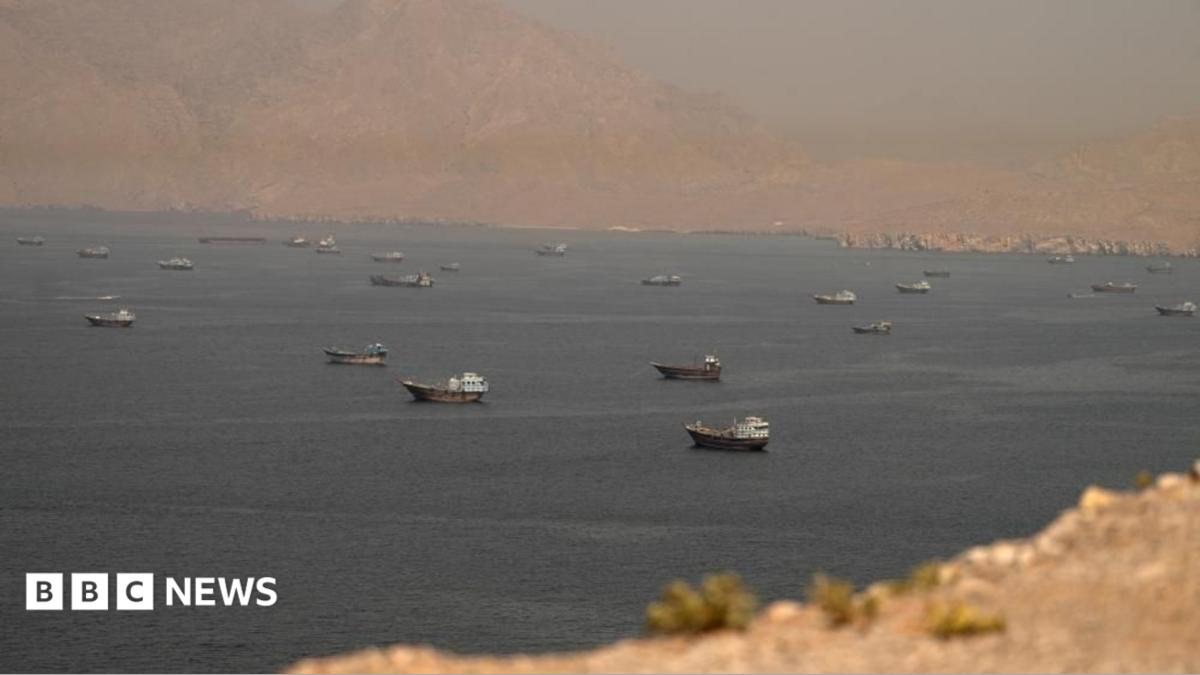
Renewed hostilities have broken out between the US and Iran in the Gulf region, following attacks on oil tankers in the Strait of Hormuz. This strategic waterway is one of the world's most important sea passages for oil transportation. The US responded to the attacks by launching strikes on over 80 targets in Iran, as confirmed by US Central Command. These targets included missile launch sites and command centres. Although Iran has not taken direct responsibility for the tanker attacks, it retaliated by hitting US military sites in Bahrain and Kuwait with missiles and drones.
NATO's chief described the US strikes as essential, arguing that Iran violated a ceasefire agreement, which had been part of a recently signed memorandum between the US and Iran. This memorandum aimed to extend peace and included plans for further discussions between Oman and Iran to manage the Hormuz Strait securely. However, the US's actions, such as revoking a waiver on oil sanctions on Iran, were seen by Iranian officials as a breach of trust, complicating diplomatic relations further.
The escalation has drawn attention from other Gulf nations. Kuwait has condemned Iran's aggressive actions, and Qatar and Saudi Arabia have accused Iran of attacking their ships. These developments complicate diplomatic efforts and threaten regional stability. The situation remains volatile, and countries are watching closely how events unfold. The US has indicated that it remains committed to pursuing a final peace deal with Iran, despite the tensions.
Iran has asserted its sovereignty over the strait by establishing the Persian Gulf Strait Authority to manage safe passage. Peace talks might still happen, but the pathway is uncertain as both nations stand firm in their positions. International observers are concerned about the potential for further escalation that could have serious consequences for global energy markets.