
















































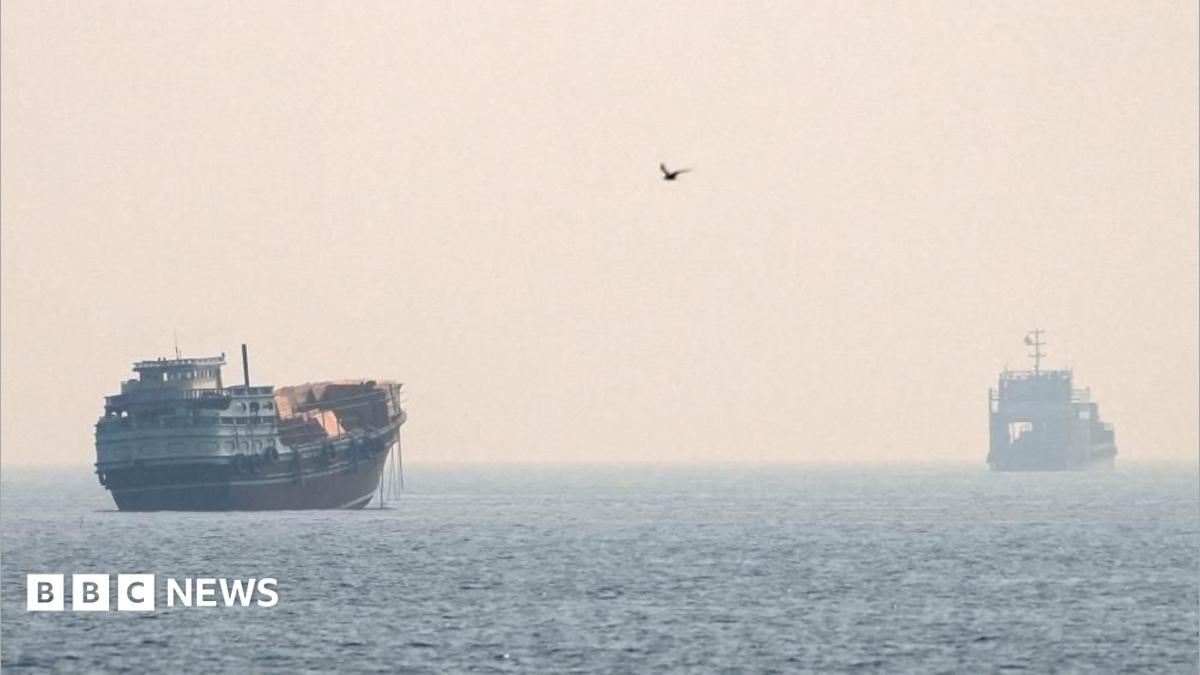
The US has launched new military strikes on Iran, targeting the country’s southern regions like Sirik and Bandar Abbas. These port cities are located on the crucial Strait of Hormuz, a vital waterway for global oil transportation. President Trump promised to "hit them hard again tonight" after an exchange of attacks earlier in the week, emphasizing that if Iran continues its aggression, the US response will escalate.
The US strikes come after Iran allegedly bombed ships in the strait, which led to further tensions. Following these strikes, Iranian state media reported multiple explosions, with at least eight in Bandar Abbas alone. Reports also indicated power outages in Iranian cities like Chabahar and Bushehr. Despite efforts to restore services quickly, some areas remained affected.
In retaliation, Iran launched attacks on US military bases in Kuwait and Bahrain. These actions have marked an increase in hostilities, causing concerns for the safety of the region. The Islamic Revolutionary Guard Corps (IRGC) referred to their counterattacks as the "first phase of the punitive response against the American treaty-breakers."
The situation is complicated by a previous peace agreement, the memorandum of understanding, signed in June. This deal was supposed to ensure the safe passage of ships and initiate diplomatic talks, but recent events have strained these efforts. President Trump expressed distrust towards Iran, stating that he does not believe they will honor any deal. Meanwhile, Iran insists that the Strait of Hormuz will remain under its control and not be dictated by "American threats."
Amid rising tensions, Gulf nations like Bahrain and Kuwait have heightened their security measures, and Qatar has issued a security alert. The US Central Command (Centcom) stated that their strikes aimed to weaken Iran's ability to threaten commercial shipping, further complicating peace efforts in the region.