





































Huge crowds filled the streets of Mashhad to mourn the death of Iran's late supreme leader, Ayatollah Ali Khamenei. He was buried at the shrine of Imam Reza, which is the holiest site for Shia Muslims in Iran. The burial ceremony came after six days of public mourning across five cities. Many people wore black as a sign of their sorrow, while some waved Iranian flags and held pictures of Khamenei. There were also loud calls for revenge against US President Donald Trump and Israeli Prime Minister Benjamin Netanyahu, who had ordered attacks that led to Khamenei's death. On February 28, he was killed in an airstrike that struck his residence in Tehran. His son, Mojtaba, was also seriously injured, and he did not attend the ceremony. A lorry carried Khamenei's coffin through the crowds, where mourners followed and showed their respects. After the ceremony, it was reported that a plane had brought his body and those of several family members back from Iraq, where they had previously participated in mourning rituals. The mood was heavy as many people expressed their grief for their lost leader. They hoped for a way forward for the country amidst ongoing conflict. Many people believe that the loss of their leader could lead to greater instability in the region. The period following his death might decide the future path of Iran and its relations with other countries. As the crowd mourned, the chants grew stronger, indicating a strong desire for action against perceived enemies. This situation raises concerns about whether peaceful negotiations can ever resume between Iran and the US, especially after the recent exchanges of military strikes which threaten any hopes for stability. The funeral highlighted not just deep sorrow but a symbolic call for unity and strength in the face of adversity. Iranians who attended the funeral hoped that memorializing Khamenei could unite different factions within the country at this critical time. Khamenei's legacy will undoubtedly influence Iran's political landscape for years to come.
B1 · Intermediate · 332 words · ~2 min
2026-07-10 · BBC News · politics
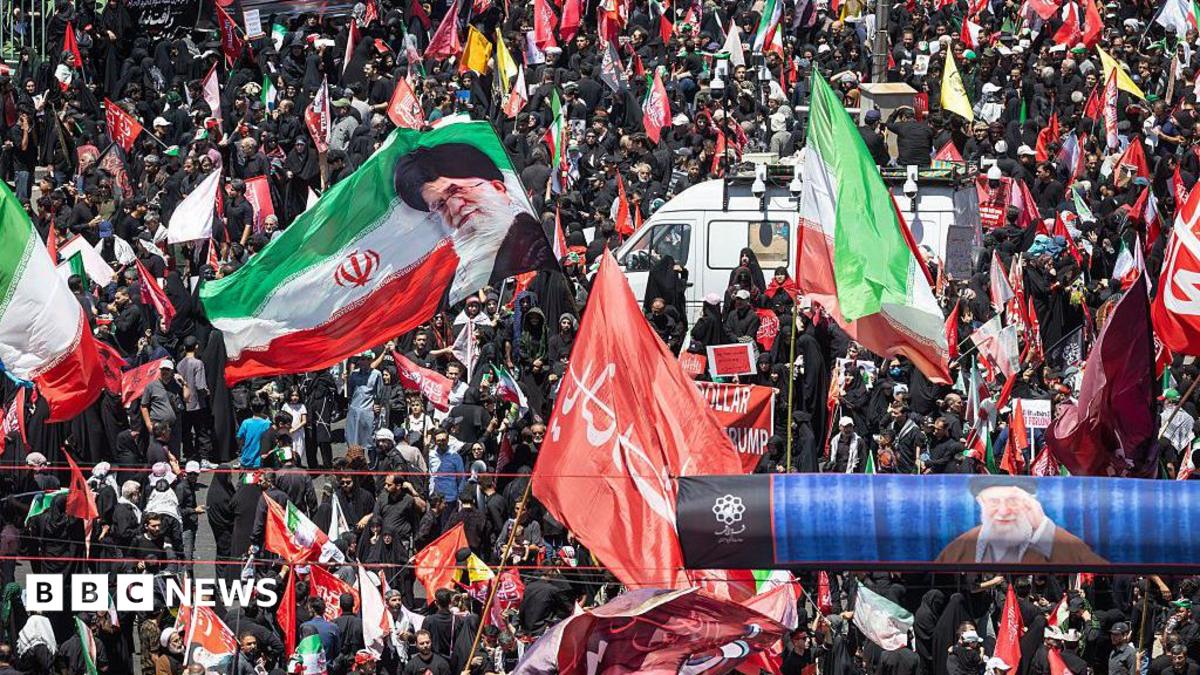
Mourners Gather for Khamenei's Burial in Mashhad
Word notebook · B1
Tap a highlighted word in the text, or study the list below.
- crowd
- a large group of people gathered together
- mourn
- to feel or show sadness, especially when someone dies
- shrine
- a place that is holy or special, often a religious site where people come to pray
- revenge
- to take action against someone because they have harmed you in some way
- conflict
- a serious disagreement or fight between two or more groups