
















































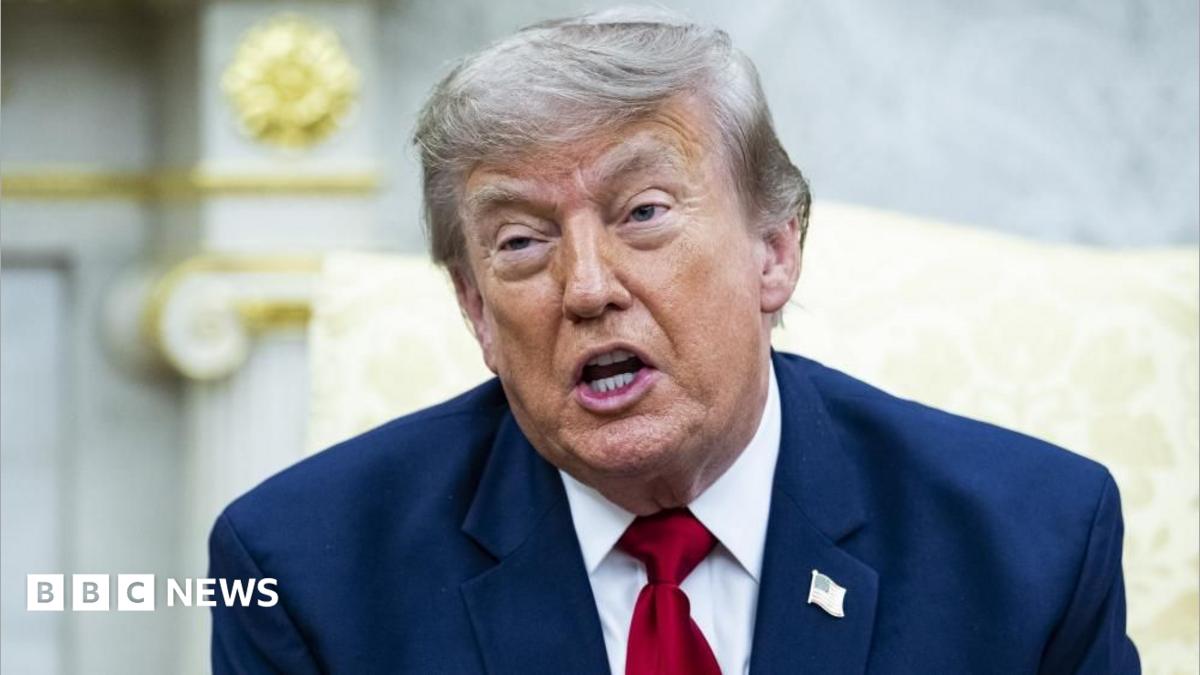
US President Donald Trump has made serious threats against Iran, declaring that he will bomb their bridges and power plants if the country does not return to talks next week. These comments have been made during a tense time, as the United States and Iran have exchanged gunfire for four consecutive days. This escalation follows an earlier decision by Trump to reverse a threat of a 20% fee on cargo shipping in the strategic Strait of Hormuz. Instead, he has resumed a blockade on Iranian ports, saying, "Next week, it gets really bad for them."
Trump's comments have raised significant alarm, especially since he previously threatened to bomb civilian infrastructure in Iran just a few months ago. The United Nations has stated that attacking civilians is a war crime, raising serious ethical concerns regarding these threats. Currently, the US military has targeted various Iranian military positions, and Iran has retaliated by firing missiles at US targets in the region, including locations in Jordan and Kuwait.
This ongoing conflict is not only creating fear among civilians but also affecting global markets, particularly oil prices. If the situation continues to escalate, it might disrupt shipping routes, impacting economies around the world. The situation highlights the delicate balance of power in the region and raises questions about future negotiations. The consequences of these actions could lead to increased tensions, making it even more challenging for both nations to find a peaceful resolution.