
















































The United States has launched another round of air strikes on Iran late on Saturday night. These strikes specifically targeted military sites and air defence facilities, showing a significant escalation in the ongoing conflict. According to US Central Command, they have successfully hit Iranian military capabilities, which further complicates the situation in the region. This escalation came after two US soldiers were killed in Jordan on Friday, and another service member has gone missing. In retaliation, Iran's army has conducted drone attacks on two US military bases located in Kuwait. The US and Iran have intensified their attacks in recent days, and both sides accuse each other of damaging important civilian infrastructure. The US states that they have only targeted military installations, while Iran claims otherwise, reporting a high number of casualties among civilians. Over the past weeks, tensions have risen sharply as the preliminary agreement between the two nations has deteriorated quickly. If these military actions continue, they could lead to more significant conflict and instability in the region. Many analysts believe that this increasing hostility may result in further losses for both countries, raising concerns about civilian safety and the potential for wider regional conflict. Several nations are now watching to see how this situation develops and what effects it might have on global oil supplies, especially given that the Strait of Hormuz is a critical maritime route for oil exports. The ongoing conflict emphasizes the fragile nature of international agreements and the consequences of military escalation.
B1 · Intermediate · 249 words · ~2 min
2026-07-19 · BBC News · politics
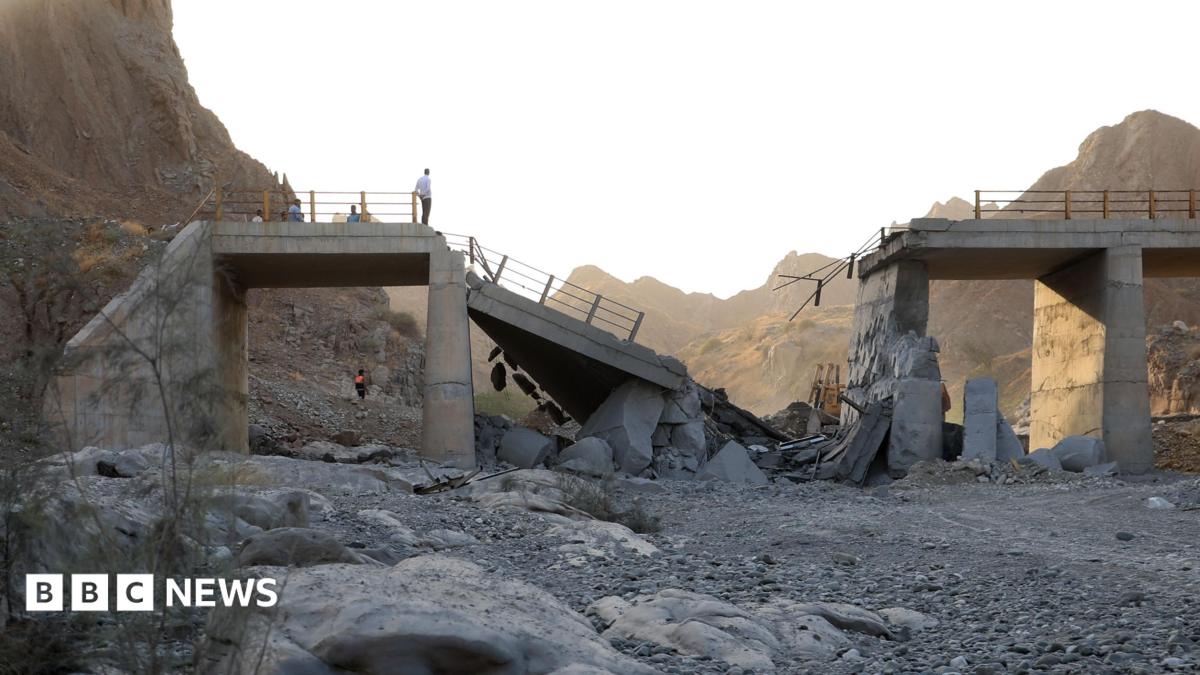
Increased Military Actions Between the US and Iran
Word notebook · B1
Tap a highlighted word in the text, or study the list below.
- escalation
- an increase or intensification of a conflict or situation
- retaliation
- action taken to return an injury or wrongdoing, often as revenge
- infrastructure
- the basic physical systems of a country or region, such as transportation and communication lines
- capabilities
- the abilities or capacities to achieve something.
- hostility
- unfriendly or aggressive behavior
- analysts
- people who examine information in detail to understand it better
- fragile
- easily broken or damaged; not strong or stable
- maritime
- related to the sea and navigation on it.
Comprehension check · B1
Finished reading? See how much stuck.
1.What did the US Central Command claim to have successfully hit during the air strikes?
2.What did Iran claim about the casualties of its citizens?
3.What potential consequences might arise if military actions between the US and Iran continue?