
















































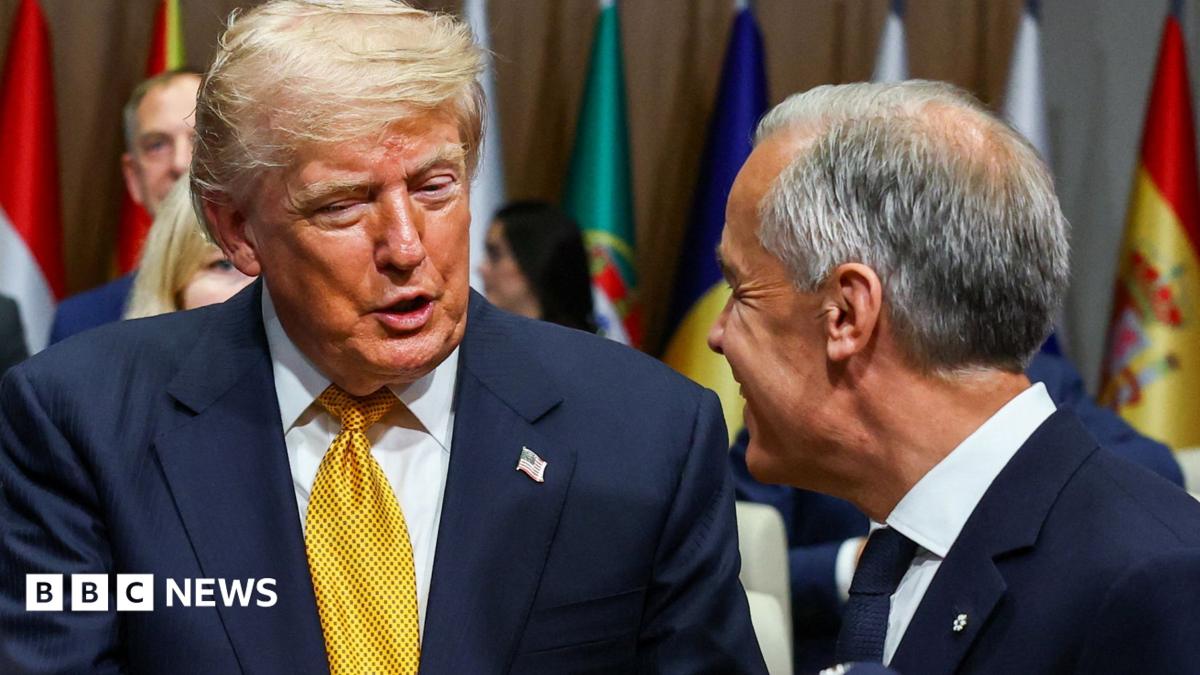
President Donald Trump has recently imposed a 50% tariff on various goods imported from Canada. This action comes after he described what he considers unfair treatment of US products, such as cars, dairy, and alcohol. Everyday consumer items like wine and hockey sticks are now affected by these tariffs, while several significant goods like energy, potash, critical minerals, and fish are exempt. The new tariffs will become effective in 30 days and could greatly impact trade and prices in both countries.
In response, Canadian Prime Minister Mark Carney has stated that Canada is ready to increase trade talks with the US soon. This situation has heightened trade tensions, as many hope for a quick resolution. Canada has already retaliated against previous tariffs from Trump by imposing a 25% levy on US goods in the past. Such measures have created a complicated relationship between the two neighboring countries.
Experts have suggested that both nations need to find common ground to improve trade relations. If they do not reach an agreement, consumers on both sides may face higher prices for these goods. Many believe that collaboration is essential; otherwise, escalating tensions could lead to further tariffs affecting other markets beyond these initial products, impacting jobs and the economy.