









































At least seven oil tankers have made U-turns close to Yemen since the Iran-linked Houthi group announced a maritime embargo against Saudi Arabia last Monday. The ships changed their routes abruptly just after the embargo announcement. Nearly 15% of global sea trade moves through the Red Sea, which is a crucial waterway connecting the Mediterranean Sea and the Gulf of Aden through two narrow points: the Suez Canal in Egypt and the Bab al-Mandab Strait between Yemen and the Horn of Africa. This area has become increasingly important for Saudi oil exports, especially since the closure of the Strait of Hormuz. If the embargo continues for a longer period, oil prices might rise significantly, as fewer ships can safely travel to Saudi ports. Some vessels had already made U-turns before the embargo was declared. The Houthi group has also threatened to attack any ship connected to Saudi Arabia. The EU's naval force in the region has warned merchant vessels to avoid transiting the Red Sea until the threat level decreases. This embargo is claimed to be a reaction to what the Houthis consider a Saudi blockade on their ports. These actions could have serious implications for global oil markets and trade, as disruptions may worsen an already tense situation in international shipping.
B1 · Intermediate · 212 words · ~1 min
2026-07-23 · BBC News · politics
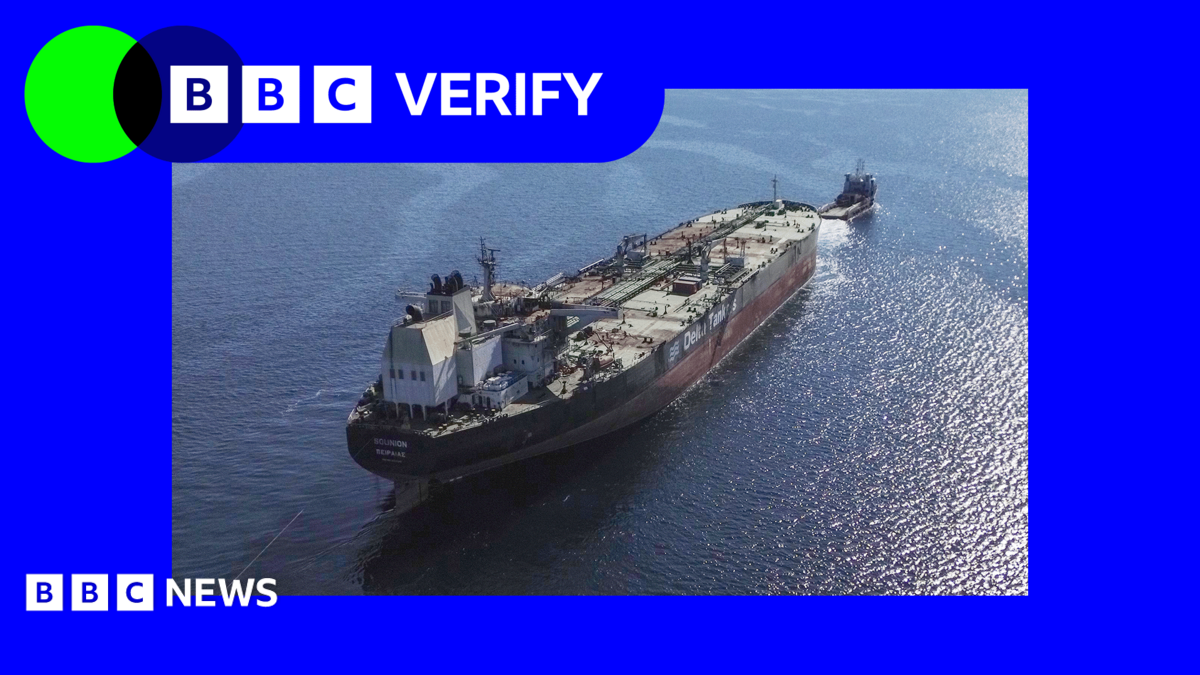
Oil Tankers Change Routes Following Houthi Maritime Embargo
Word notebook · B1
Tap a highlighted word in the text, or study the list below.
- embargo
- a government order that restricts trade with a particular country.
- retaliation
- action taken in response to an action done to you, often to defend oneself.
- vessel
- a large boat or ship used for transporting goods.
- maritime
- related to the sea, especially in relation to shipping.
- disruption
- interruption in the normal process or course of something.
Comprehension check · B1
Finished reading? See how much stuck.
1.What has the Houthi group threatened to do to ships connected to Saudi Arabia?
2.Why is the Red Sea important for global trade?
3.What might happen to oil prices if the embargo continues?