
















































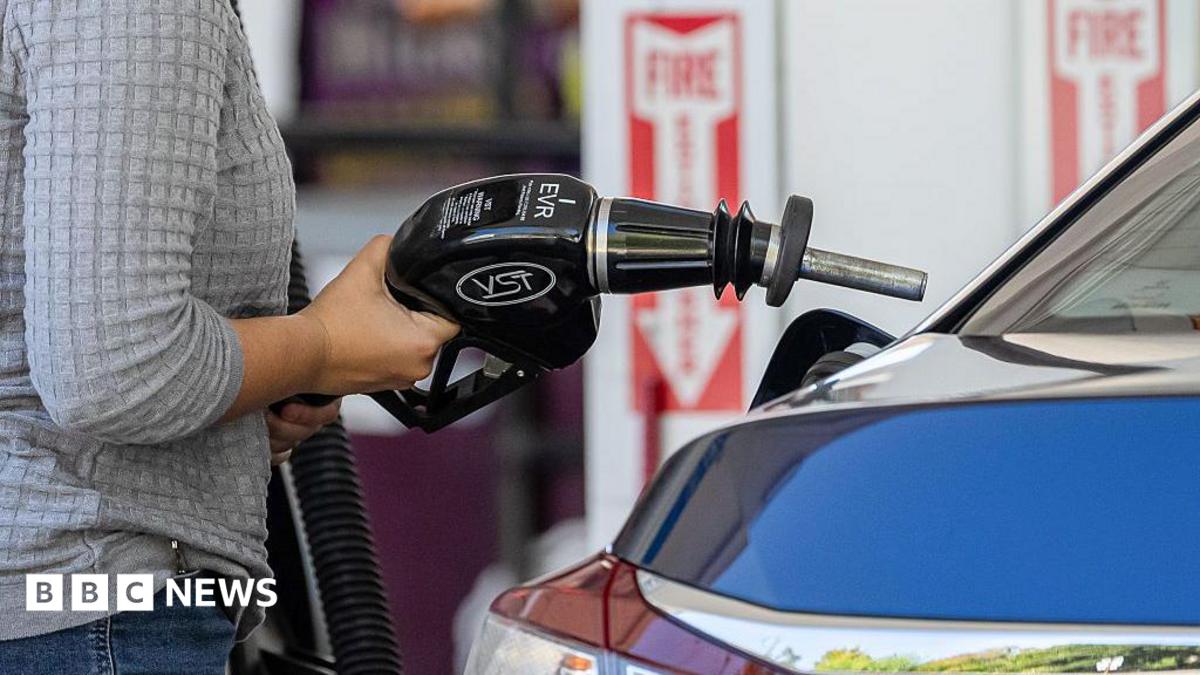
Oil prices have reached $100 a barrel for the first time since May, which has alarmed many people worldwide. The ongoing conflict in the Middle East has raised fears about global energy supplies and stability in the region. Brent crude, the standard for oil prices, increased by more than 6% on Thursday after several days of rising prices. This rise in oil prices follows the United States stepping up military actions against Iran, which has further complicated the situation. Simultaneously, the Houthi militia from Yemen attacked oil tankers in the Red Sea, posing a serious threat to Saudi Arabia's main export route.
Gas prices have also steadily climbed during the past month, with the current UK gas price at about 150 per therm, a significant increase from around 98p at the end of June. Higher oil prices usually lead to increased costs for petrol and diesel. These changes can then contribute to rising food prices. If businesses face higher transportation costs, they often raise their prices to manage these costs. As a result, many consumers may feel the effects of these changes, especially those who heavily rely on driving for work or daily activities. Higher energy prices can create a ripple effect that impacts everyone.