













































The United States has introduced new tariffs affecting 60 of its trading partners, which include major economies like the United Kingdom, China, and the European Union. These tariffs range from 10% to 12.5% on all goods entering the US. This change is significant because it accounts for almost all American imports. The new tariffs replace older ones that are set to expire soon, and they reflect ongoing tensions in international trade. The US government claims that these tariffs aim to address issues related to forced labour in global supply chains. However, trade experts like Caroline Freund have argued that this explanation may not be entirely accurate. They believe President Trump is using forced labour as a legal reason to put the tariffs in place. The introduction of these tariffs may increase costs for both businesses and consumers, making everyday goods more expensive. Various countries have expressed dissatisfaction with the move, arguing that the tariffs are unfair and could hurt their economies significantly. Many nations may now focus on trade agreements with other countries, trying to reduce their dependence on the US economy. If this happens, it could change the global trading landscape, prompting shifts in alliances and economic relationships. The situation remains tense, and many observers are keenly watching how it develops.
B1 · Intermediate · 212 words · ~1 min
2026-07-24 · BBC News · business
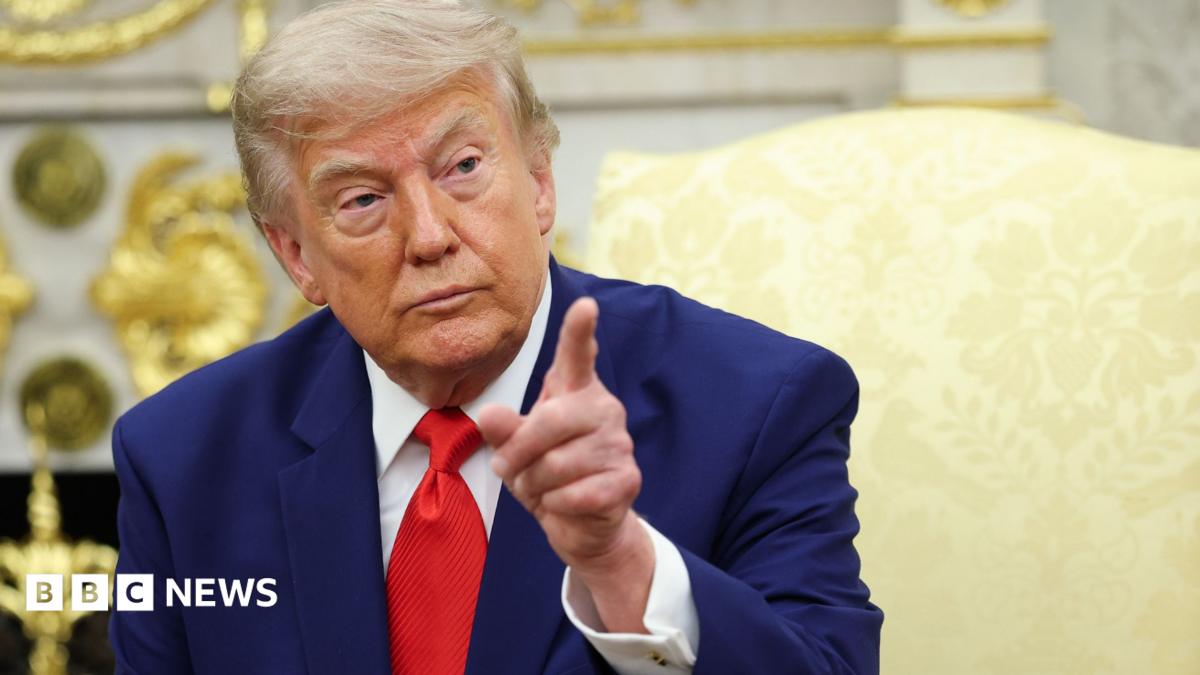
US Introduces New Tariffs on Imports from 60 Countries
Word notebook · B1
Tap a highlighted word in the text, or study the list below.
- tariff
- a tax on goods coming into a country
- import
- to bring goods into a country from abroad
- economy
- the system of trade and money in a country
- dissatisfaction
- a feeling of not being happy or satisfied
- unilateral
- one-sided; done by one country without agreement from others
- supply chain
- the network of people and companies involved in making and delivering goods
- trade agreements
- contracts between countries about how they will do business together
- alliance
- an agreement between countries to work together for a common goal
Comprehension check · B1
Finished reading? See how much stuck.
1.What do the new tariffs range from?
2.What do some trade experts believe about the real reason for the tariffs?
3.What might countries do in response to the tariffs?