








































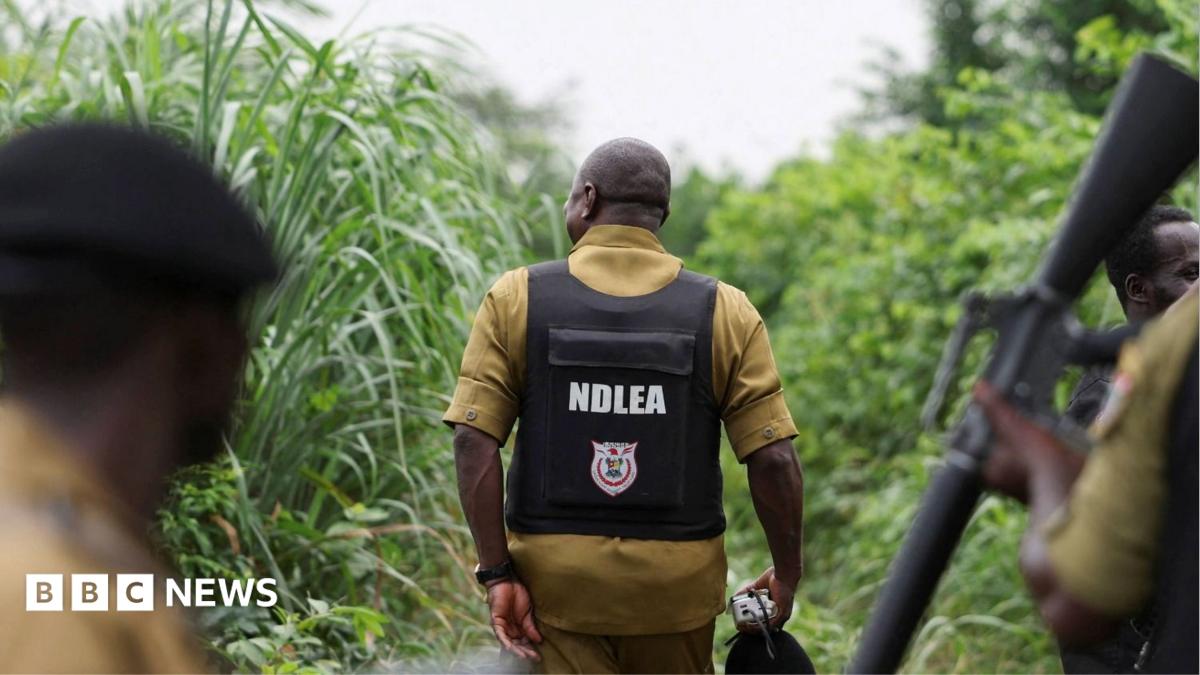
In Nigeria, a judge recently held a court session at a drug lab hidden in a dense forest. This unusual situation involved three Mexicans and seven Nigerians who were arrested for making methamphetamine, a very dangerous and addictive drug. The police discovered over two tonnes of this harmful substance, worth approximately $360 million, during their raid in May. This event has been called the largest drug bust in Nigeria's history. The lab contained numerous strong chemicals that created unpleasant odors, making it obvious that illegal activities were happening there. The National Drug Law Enforcement Agency (NDLEA) wanted to grasp the drug-making process fully, so they moved the courtroom into the lab itself. This decision highlights the seriousness of the situation. Moreover, several Mexican experts, referred to as 'cooks', have been seen working alongside local operators in these labs. This change indicates that drug cartels are moving from only smuggling to producing drugs directly in Africa. If this trend continues, Africa could become a crucial area for illegal drug production. Mexican organizations, such as the Sinaloa Cartel and the Jalisco New Generation Cartel, have engaged in forming partnerships with local criminals to establish these labs more effectively. Such collaboration increases the scale of drug production significantly, posing a severe challenge for law enforcement. Experts have noted that meth production has advanced greatly over the past few decades, leading to high purity and potency. Therefore, understanding these dynamics is essential for combating the growing threat of meth in Nigeria and beyond.
B1 · Intermediate · 249 words · ~2 min
2026-07-29 · BBC News · world
How Mexican Drug Cartels are Using Nigeria for Meth Production
Word notebook · B1
Tap a highlighted word in the text, or study the list below.
- methamphetamine
- a strong and addictive illegal drug that affects the brain and body, also called meth or crystal meth.
- cartsels
- criminal organizations that control drug trafficking activities.
- sophisticated
- very advanced and complicated.
- undermine
- to weaken or damage something.
- collaboration
- working together with others to achieve a common goal.
Comprehension check · B1
Finished reading? See how much stuck.
1.What was unique about the court session mentioned in the text?
2.How much meth was found during the raid?
3.Who are the Mexican experts working in the labs called?