















































Saudi Arabia has recently joined the United States in carrying out airstrikes against an Iran-backed militia in Iraq. This militia has often attacked US forces and posed a threat to Saudi oil facilities, which are crucial to the country’s economy. The US Central Command (Centcom) reported that it targeted these militia bases as a direct response to recent missile attacks from Iran, which aimed at US troops stationed in the region. Thankfully, the missiles did not hit their intended targets, and the US successfully intercepted them before they could cause any damage. Reports have confirmed that at least ten members of the militia were killed during the strikes, demonstrating the intensity of the conflict. In response, the militia condemned these attacks as a serious escalation and a violation of Iraq's sovereignty. This situation is particularly tense, as rising oil prices reflect fears of further violence. Furthermore, Saudi Arabia intercepted drones that were targeting its oil facilities in the eastern part of the country, indicating ongoing threats from Iranian-affiliated groups. These attacks have occurred during a brief pause in hostilities, highlighting the fragile state of peace in the region. Recently, US President Trump mentioned the possibility of "very friendly negotiations" with Iran, but this escalation of military action complicates that hope. Moving forward, if tensions continue to rise, both nations may find it hard to return to negotiations. The implications of this conflict are significant, as they not only affect the involved countries but also impact global oil prices and international relations. Many countries are watching closely to see how this will develop, given that access to the Strait of Hormuz is vital for international trade.
B1 · Intermediate · 275 words · ~2 min
2026-07-29 · BBC News · politics
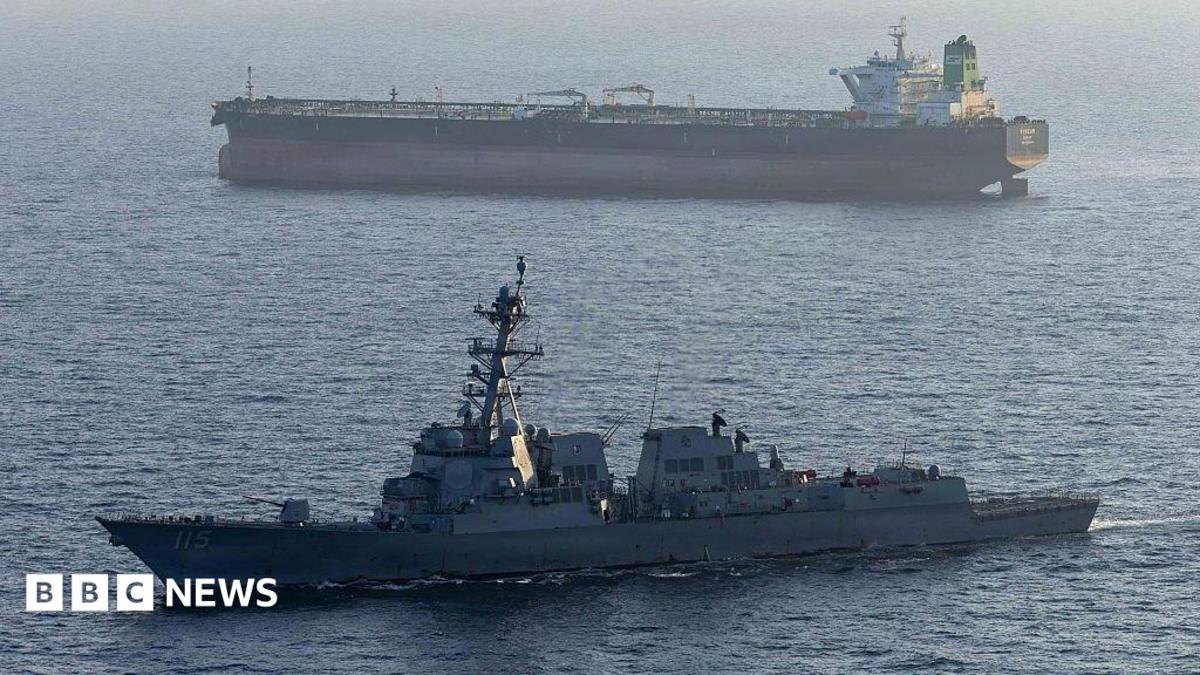
Saudi Arabia Joins US Strikes Against Iran-Backed Militia
Word notebook · B1
Tap a highlighted word in the text, or study the list below.
- intercepted
- caught or stopped something from reaching its destination.
- militia
- a group of armed people who are not part of the regular army.
- sovereignty
- the authority of a state to govern itself.
- escalation
- an increase in intensity or seriousness.
- facilities
- places or buildings that provide a service or function.
Comprehension check · B1
Finished reading? See how much stuck.
1.What country has joined the US in strikes against the militia?
2.What did the US successfully do with the missiles from Iran?
3.What are rising oil prices indicating about the situation?