

































Donald Trump is once again attempting to limit birthright citizenship in the United States. This legal right gives automatic citizenship to babies born in the US, and many people believe it is an important aspect of American identity. Recently, the Supreme Court rejected his previous effort to change this policy, which had been in place for over 150 years. On Thursday, Trump signed two executive orders that aim to redefine who qualifies for citizenship. The first order expands the definitions of non-citizens. It states that some babies born to non-citizens will not receive citizenship if their parents have attempted to gain citizenship through fraudulent means or are associated with foreign terrorist groups. The second order addresses birth tourism, a practice where mothers come to the US to give birth to ensure their babies become citizens. Trump argues that this practice causes many problems for the country, as he believes it is unfair for some to take advantage of this law. He insists that these changes are necessary to protect American interests and reduce what he calls unfair advantages for non-citizens. Critics, however, argue that limiting birthright citizenship could lead to divisive impacts on families. They also note that many individuals come to the US for work or education, and restricting their rights might harm the economy in the long run. Trump's administration has repeatedly claimed that foreign adversaries, such as those from Russia and China, exploit birthright citizenship to infiltrate the US. Although there is evidence for a small number of births linked to birth tourism, experts like Gabriel Chin emphasize that this phenomenon represents a very small fraction of total US births. Additionally, the controversy surrounding these executive orders could lead to more lawsuits and political unrest, as many Americans strongly support the current birthright citizenship policy. The situation remains complex and will likely evolve as Trump continues these efforts into the future and as public opinion shapes the debate.
B1 · Intermediate · 321 words · ~2 min
2026-08-07 · BBC News · politics
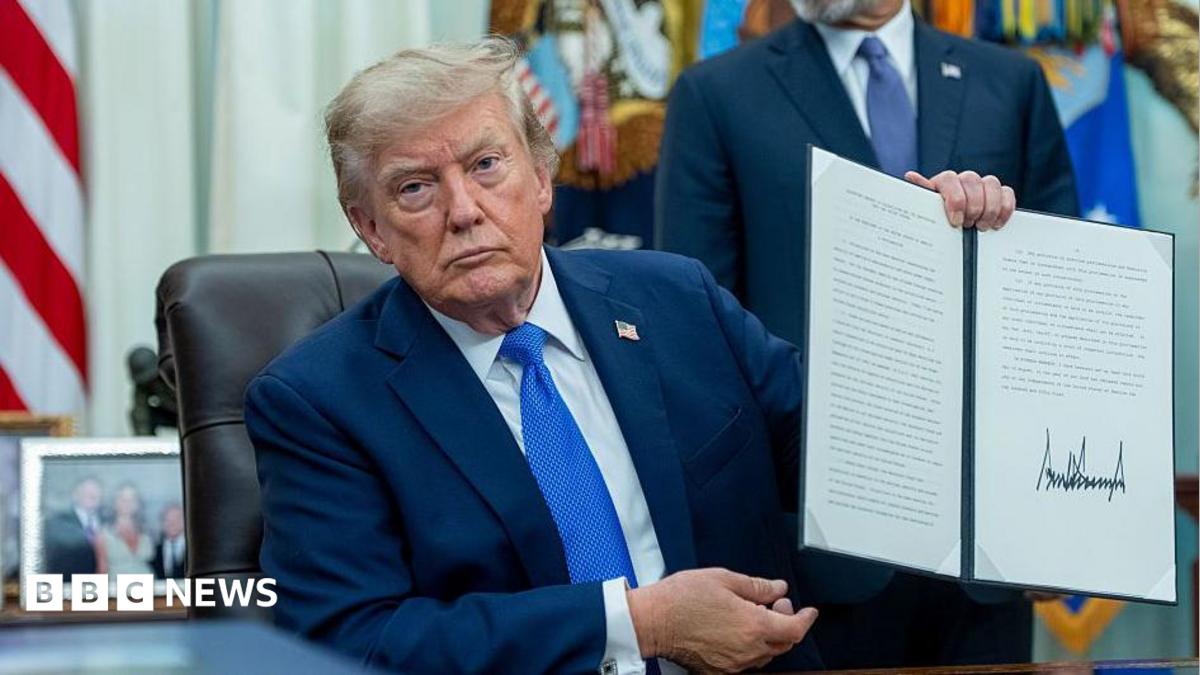
Trump's Efforts to Change Birthright Citizenship Laws
Word notebook · B1
Tap a highlighted word in the text, or study the list below.
- birthright
- the right to be a citizen because of being born in a particular place.
- citizenship
- the status of being a legal member of a country.
- executive order
- a directive issued by the president of the US to manage the operations of the federal government.
- tourism
- the activity of traveling to a place for enjoyment.
- adversaries
- people or groups that oppose or attack.
- fraudulent
- done to trick or deceive.
- phenomenon
- an observable fact or event.
- constitutional
- relating to the official laws and principles of a country.
Comprehension check · B1
Finished reading? See how much stuck.
1.What are the two main issues Trump is attempting to address with his executive orders?
2.What does Trump argue is a problem caused by birth tourism?
3.Who has criticized Trump’s orders mentioning a small number of births from birth tourism?