


























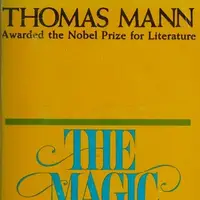










"The Magic Mountain" is an influential novel written by Thomas Mann, first published in 1924. This famous book tells the story of Hans Castorp, a young engineer with a promising future. Hans visits a remote sanatorium high in the mountains, expecting only a short stay. The novel is set in the years before 1914, in a place that seems both real and otherworldly. During his time at the sanatorium, Hans meets a variety of people who engage in deep discussions about politics, philosophy, and the meaning of life. What was intended to be just a brief visit becomes much longer. Hans meets a captivating woman at the sanatorium, which not only sparks his interest but also rekindles memories of a school romance he experienced in his youth.
This romantic encounter encourages him to reflect on love and relationships, leading to deeper thoughts about his own life and future. Mann used his own experiences as inspiration for this novel, drawing from a visit to a sanatorium in Davos in 1912. He had gone there to support his wife, who was suffering from tuberculosis, a serious lung disease. His experiences there helped shape the themes of time, illness, and human connection that are explored in the book.
The novel’s intricate storytelling and detailed exploration of human thoughts and feelings have made "The Magic Mountain" a timeless piece of literature. It has been republished in various editions and has been translated into numerous languages. Readers across the globe have appreciated its ability to encourage pondering over how one's environment can shape their experiences. "The Magic Mountain" continues to engage and inspire audiences with its rich narrative and philosophical depth.