











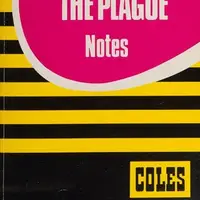

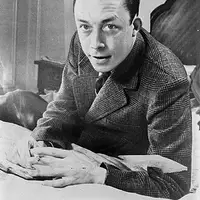


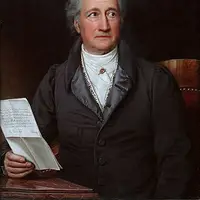


The Plague, a novel by Albert Camus published in 1947, explores life in the city of Oran, Algeria, during a plague outbreak that threatens to destroy the community. The residents of Oran face a terrifying situation as the disease spreads rapidly, forcing the government to impose a strict quarantine. This isolation leads to feelings of uncertainty and fear. Throughout the story, we see various characters who react differently to the crisis. Some show courage and sacrifice their comfort to help others, while others become selfish and indifferent, trying to escape their responsibilities. Camus skillfully uses simple yet powerful language to express deep emotions and provoke thoughts about human existence. The themes of suffering, isolation, and the search for meaning resonate strongly even today, prompting readers to think about how they would respond if such a crisis arose in their lives. As individuals cope with their emotions, they re-evaluate their values and beliefs when faced with adversity. Camus’s work invites us to reflect on our roles in society, reminding us that every choice matters. The Plague remains relevant, encouraging us to contemplate what it means to be human in difficult times, and how solidarity can lead to strength, even in the darkest situations.
B1 · Intermediate · 202 words · ~1 min
Word notebook · B1
Tap a highlighted word in the text, or study the list below.
- quarantine
- a state of isolation to prevent the spread of disease
- sacrifice
- to give up something valuable for the sake of others or a cause
- adversity
- difficult or unpleasant conditions
- community
- a group of people living in the same area or sharing common interests
- existence
- the fact of being real or living
- uncertainty
- a situation where something is not known or is unpredictable
- courage
- the ability to confront fear or difficulties
- solidarity
- unity or agreement among individuals with a common interest
Comprehension check · B1
Finished reading? See how much stuck.
1.What happens to the city of Oran during the plague outbreak?
2.What do the residents of Oran feel due to the quarantine?
3.What does Camus encourage readers to reflect on in his novel?