








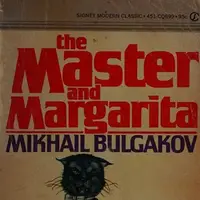



The Master and the Margarita is an extraordinary novel by Mikhail Bulgakov, written in the Soviet Union between 1928 and 1940. This fascinating story begins with the arrival of the devil, who appears as Professor Woland, in a city filled with Soviet citizens. Woland challenges their beliefs about religion and morality by introducing chaos into their lives. The Master is a writer who has struggled with his story for a long time, and his devoted lover Margarita fights to rescue him from despair and darkness. Throughout the novel, readers learn that Margarita makes a pact with Woland to save the Master, demonstrating her love and loyalty.
The novel beautifully combines elements of fantasy, satire, and philosophical questions about faith, love, and the nature of power. Bulgakov's work not only entertains but also encourages readers to reflect on their beliefs and the society around them. The book’s criticism of bureaucracy, which highlights the flaws in leadership, and its exploration of human nature resonate today, making it one of the notable works of 20th-century literature. Bulgakov's unique storytelling, rich in humor and dark themes, invites readers to understand the complexities of life in a repressive state. Many readers have found inspiration in the novel's themes, which remain relevant in modern discussions about freedom and creativity.