




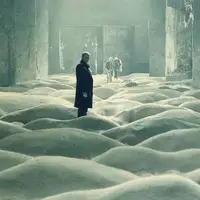


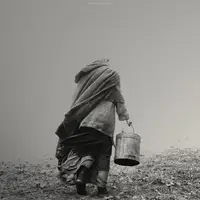






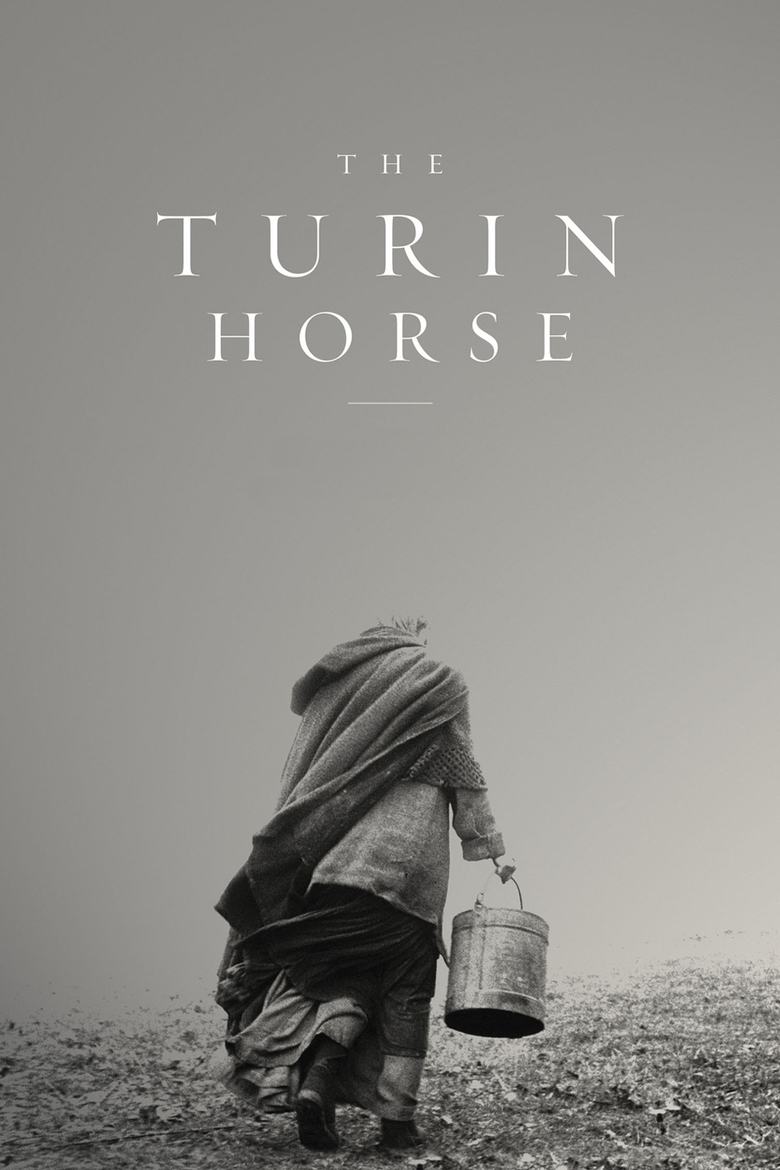
The Turin Horse, directed by Béla Tarr, explores the monotonous lives of a father and daughter in a bleak setting. Each day is filled with simple tasks, such as eating boiled potatoes and caring for a sick horse. This monotony reflects a deeper theme of existence and struggle. As time passes, their routine begins to deteriorate, hinting at a larger sense of despair. Visually, the film employs long takes, creating a feeling of space and time. The muted colors and stark landscapes emphasize their isolation. The sound design features minimal music, allowing the sounds of wind and nature to dominate. Many view this film as a profound commentary on life's meaning and the human condition, making it a notable work in contemporary cinema.
B1 · Intermediate · 123 words · ~1 min
Word notebook · B1
Tap a highlighted word in the text, or study the list below.
- explore
- to look into or examine something
- monotonous
- repetitive and boring
- deteriorate
- to get worse over time
- visual
- related to what you see
- commentary
- a discussion or explanation about something