












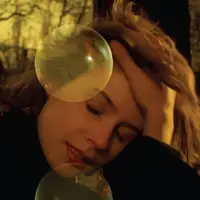




















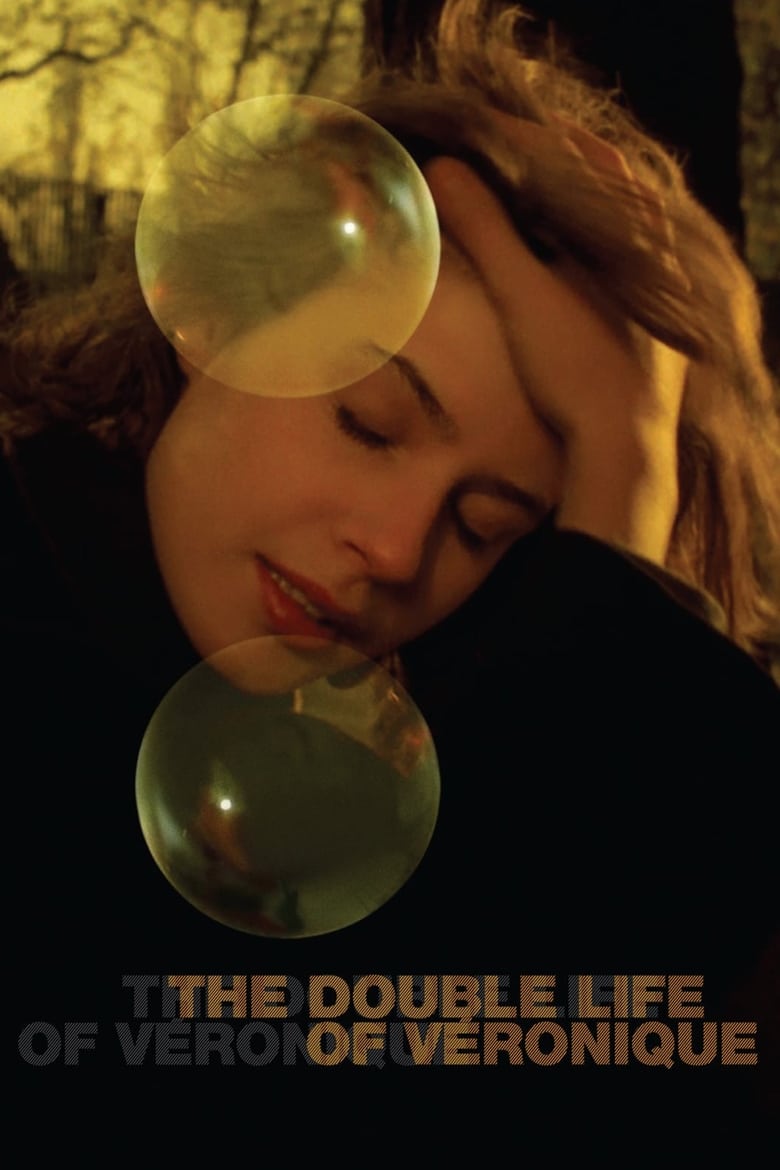
The Double Life of Véronique is a 1991 film directed by Krzysztof Kieślowski. The story features two women: Véronique from France and Weronika from Poland. Both women aspire to be singers and notice they share an unusual bond despite living in different countries. This unique connection raises questions about identity, a theme that provokes thought about how people understand themselves and relate to others. The film combines elements of drama and fantasy, creating an emotional experience for viewers.
Through dreams and intense feelings, the characters navigate life's ups and downs, showcasing their personal struggles. For instance, Véronique embarks on a complicated romance with Alexandre Fabbri, a puppeteer. Their relationship forces Véronique to confront her fears about love and her life's purpose. The film is visually stunning, using creative light and color that enhances the dramatic mood. Critics have praised its artistic style and emotional depth, noting that the score beautifully accompanies the scenes. This music expresses the characters' struggles and joys, often without the need for dialogue. Kieślowski's storytelling approach has influenced many filmmakers, marking a significant moment in cinema history.
The movie received multiple awards at the Cannes Film Festival, including the Best Actress award for Irène Jacob. It invites audiences to reflect on their own connections and the choices that shape their lives. Watching this film may leave you inspired to consider your personal experiences in a new light, encouraging deeper introspection about who you truly are and who you wish to become.