






























The Discreet Charm of the Bourgeoisie is a captivating film made in 1972 by the famous director Luis Buñuel. This movie explores the lives of a group of upper-class friends who plan to have dinner together. However, their attempts are always interrupted by a mix of real and imaginary events, which adds to the film's surreal quality. The storyline is surreal, which means it includes bizarre and unexpected situations that challenge our understanding of reality. Throughout the film, we see how the characters, who are wealthy and seemingly sophisticated, struggle to find meaning in their lives. This raises questions about social class and the absurdity of life, even for those who seem to have everything. The humor is both clever and satirical, making viewers reflect on the nature of bourgeois society. If we think about their experiences, we might understand how the film critiques not just the characters but also the societal norms around them. The film achieved great success and won an Academy Award, highlighting its importance in cinema history. Buñuel's unique style not only gives the film a special charm but also engages audiences by combining striking visuals with thought-provoking themes. This movie is a must-watch for those who appreciate innovative storytelling and social commentary.
B1 · Intermediate · 207 words · ~1 min
Luis Buñuel · 1972 · Comedy · TMDB
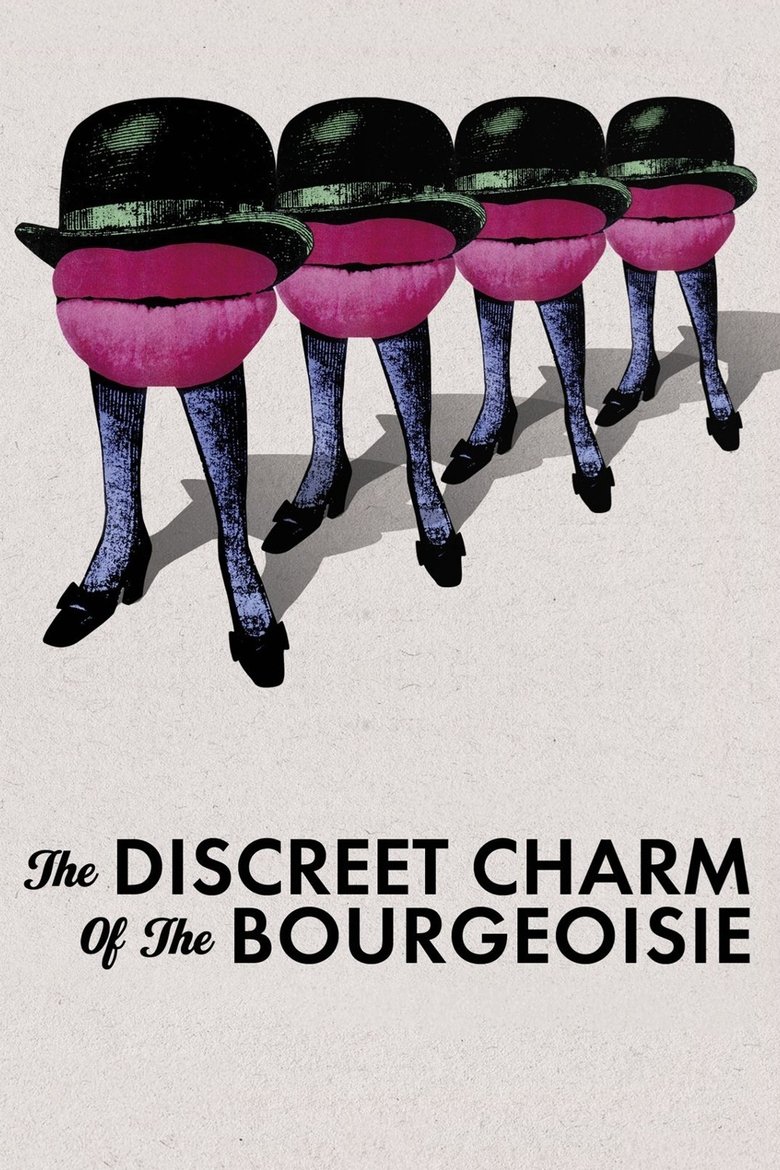
The Discreet Charm of the Bourgeoisie
Word notebook · B1
Tap a highlighted word in the text, or study the list below.
- surreal
- something that is strange or dreamlike, not making sense in a normal way.
- satirical
- using humor or irony to criticize something or someone.
- bourgeoisie
- the middle class, often associated with materialism or conventional values.
- absurdity
- the quality of being ridiculous or unreasonable.
- narrative
- the story or account of a series of events.
Comprehension check · B1
Finished reading? See how much stuck.
1.What happens to the characters' attempts to have dinner?
2.What award did the film win in 1972?
3.What aspects of life does the film critique?