






The Passion of Joan of Arc is a silent film released in 1928, directed by Carl Theodor Dreyer. This film is based on the real trial of Joan of Arc, a young warrior from the 15th century. Joan believes she has heard guidance from God, which leads to her trial by cruel church leaders who want to make her lie about her beliefs. Despite the pressure, Joan remains faithful and chooses to tell the truth. The film is especially notable for its powerful imagery and emotional acting, particularly by Renée Jeanne Falconetti, who portrays Joan. She delivers a stunning performance, which is often regarded as one of the finest in cinema history. Unlike many films of its time, it does not have a musical score, but the intensity of the performances creates strong feelings for the audience. The film is considered a landmark in cinema history for its innovative techniques and unique visual style. It includes many close-ups of actors' faces, which highlight their emotions in an unforgettable way. Due to its controversial nature and the way it deals with themes of faith and courage, Joan of Arc has become a symbol of hope for many viewers. Interestingly, the film faced resistance from French nationalists, who worried about a foreign director telling a classic French story. Despite this, the movie was a major critical success when it was released and has been influential in the world of film. Furthermore, its exploration of faith, courage, and social justice continues to resonate with audiences today.
B1 · Intermediate · 253 words · ~2 min
Carl Theodor Dreyer · 1928 · Drama, History · TMDB
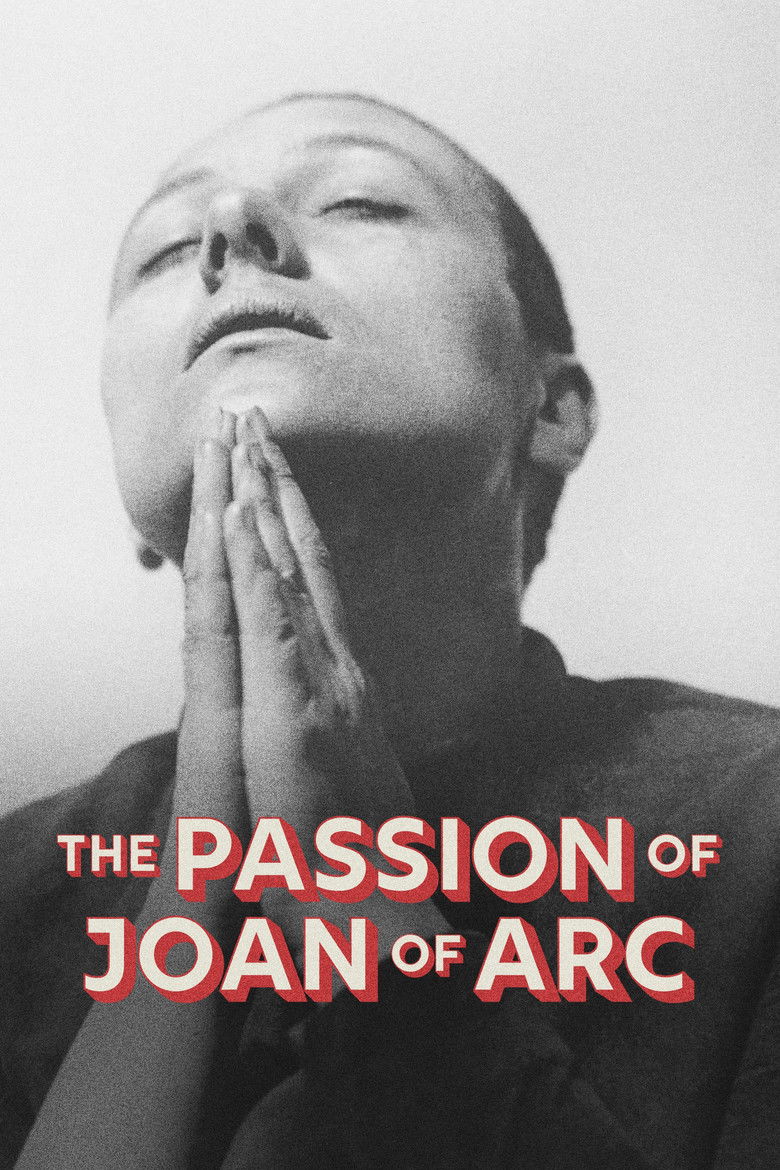
The Passion of Joan of Arc
Word notebook · B1
Tap a highlighted word in the text, or study the list below.
- martyrdom
- the suffering of death because of one's beliefs
- renowned
- widely known and respected
- depict
- to show or represent in a picture or story
- innovative
- introducing new ideas or methods
- icon
- a person or thing that is a symbol of something important
Comprehension check · B1
Finished reading? See how much stuck.
1.What makes Joan of Arc a significant figure in the film?
2.What was the professional background of Renée Jeanne Falconetti?
3.What did the film’s cinematography focus on?