










































The Act of Killing, directed by Joshua Oppenheimer in 2012, is an incredible documentary that has profoundly impacted audiences worldwide. The film focuses on former Indonesian death squad leaders who openly talk about their role in the mass killings during the anti-communist purge in 1965-66. These men, many of whom have remained in powerful positions, reenact their past crimes using various film styles, which creates a surreal yet haunting effect. Oppenheimer’s creative approach allows viewers to explore deep themes like guilt, memory, and the nature of evil. The mood of the film is dark and thought-provoking, making the audience question the nature of violence, humanity, and societal complicity. It has received numerous awards for its unique style and critical analysis of historical events. Furthermore, the movie has spurred important discussions about the impact of these atrocities on Indonesian society and its ongoing struggles with history and trauma. Since its release, The Act of Killing has not only fascinated film critics but also challenged our understanding of morality and truth in documentary filmmaking. If viewers have the chance to watch this film, they will find a bold exploration of human nature and the darkness that lies within societies that refuse to confront their pasts. It remains an essential film for those interested in human rights and historical memory.
B1 · Intermediate · 217 words · ~1 min
Joshua Oppenheimer · 2012 · Documentary, History · TMDB
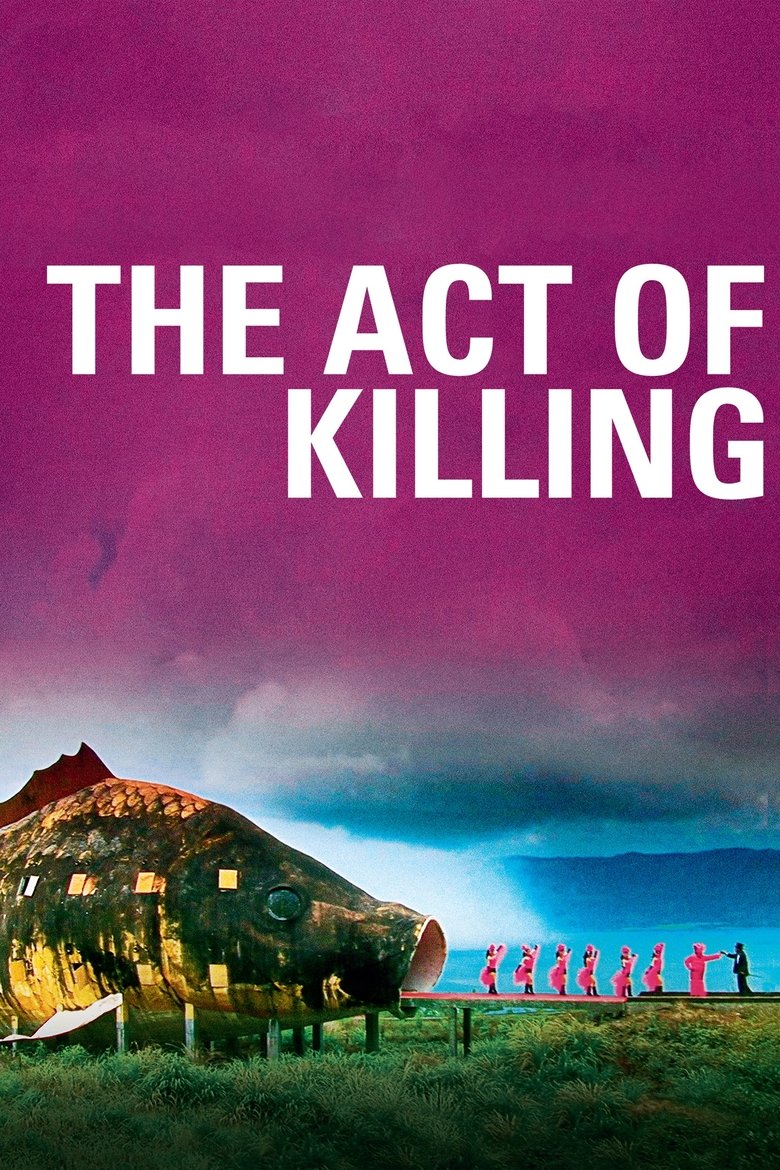
The Act of Killing
Word notebook · B1
Tap a highlighted word in the text, or study the list below.
- atrocities
- extremely cruel acts, often involving violence, especially when done during war or conflicts.
- purge
- the process of removing people who are considered undesirable, often involving violence or forced removal.
- surrealism
- a style of art or literature that tries to express the unconscious mind, combining reality with dreamlike images.
- complicity
- the state of being involved with others in illegal or unethical activities.
- trauma
- a deeply distressing or disturbing experience that can have lasting emotional effects.
Comprehension check · B1
Finished reading? See how much stuck.
1.What is the main theme of The Act of Killing?
2.In what year was The Act of Killing released?
3.What does Oppenheimer's film challenge regarding documentary filmmaking?