




















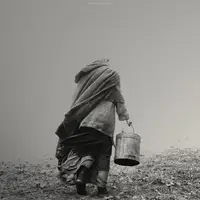




















Ida is a profound drama film directed by Paweł Pawlikowski in 2013. Set in 1960s Poland, the story follows a young woman named Anna. She is a novitiate nun who is preparing to take her vows. However, just before this significant moment, she discovers a family secret that forever changes her life. Anna learns that her parents were Jewish during World War II. This revelation leads her to meet her aunt, the only living relative she has. The aunt, a former Communist state prosecutor, shares stories that reveal their family's tragic history. Together, they embark on a journey through the Polish countryside, where they seek to uncover the truth about their relatives' fates. The film is noted for its stunning visuals and emotional depth. The director captures the mood with beautiful black-and-white cinematography, which adds to the film's melancholy atmosphere. Critics have praised Ida for its exploration of complex themes like love, loss, and identity. It highlights the struggles of a country that has experienced trauma. After its release, Ida received various awards, including the Academy Award for Best Foreign Language Film, making it the first Polish film to achieve this honor. Ida is significant in modern cinema, as it evokes strong feelings and represents a complicated chapter in Polish history. Because of its thoughtful storytelling and unique style, it continues to resonate with audiences around the world.
B1 · Intermediate · 228 words · ~1 min
Word notebook · B1
Tap a highlighted word in the text, or study the list below.
- novitiate
- a person who is new to a particular job or activity, especially in religion.
- vows
- serious promises, often made in a religious context.
- revelation
- a surprising and previously unknown fact that has come to light.
- melancholy
- a deep, lasting sadness.
- trauma
- a deeply distressing or disturbing experience.
- cinematography
- the art of making motion pictures, especially regarding the arrangement of visual elements.
Comprehension check · B1
Finished reading? See how much stuck.
1.What does Anna discover about her parents?
2.What type of film is Ida described as?
3.Why did Ida receive significant recognition?