


































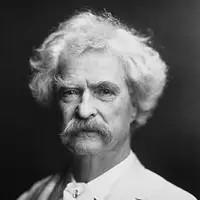



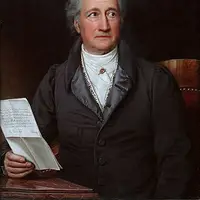

Victor Hugo, a well-known French writer and politician, created this meaningful quote. It implies that both joy and sadness are essential parts of our lives. Jesus’ tears symbolize the divine sorrow that can touch many hearts, while Voltaire’s smile represents human joy, often found in even the simplest moments. Together, these emotions contribute to the sweetness of our civilization today. By recognizing these feelings, people can better appreciate the complexity of human experiences. This understanding fosters kindness in society, encouraging individuals to support each other through difficult times. Moreover, Hugo's own life experiences, marked by both triumph and tragedy, deeply influenced his views on the balance between joy and sorrow. His passionate works called for social justice and compassion, making his message timeless and relevant even today.
B1 · Intermediate · 127 words · ~1 min
Quote of the day · Victor Hugo · Wikiquote

Jésus a pleuré, Voltaire a souri; c’est de cette larme divine et de ce sourire humain qu’est faite la douceur de la civilisation actuelle.
— Victor Hugo
Word notebook · B1
Tap a highlighted word in the text, or study the list below.
- symbolize
- to represent or stand for something else.
- experience
- the process of doing and seeing things.
- influence
- to have an effect on someone or something.
- compassion
- sympathy and concern for the suffering of others.
- tragedy
- a very sad or serious event.
- triumph
- a great victory or achievement.
- moment
- a very brief period of time.
- society
- a group of people living together.
Comprehension check · B1
Finished reading? See how much stuck.
1.What do Jesus’ tears symbolize in Hugo's quote?
2.What does Voltaire’s smile represent?
3.How did Victor Hugo’s life experiences affect his views?